
The process of learning
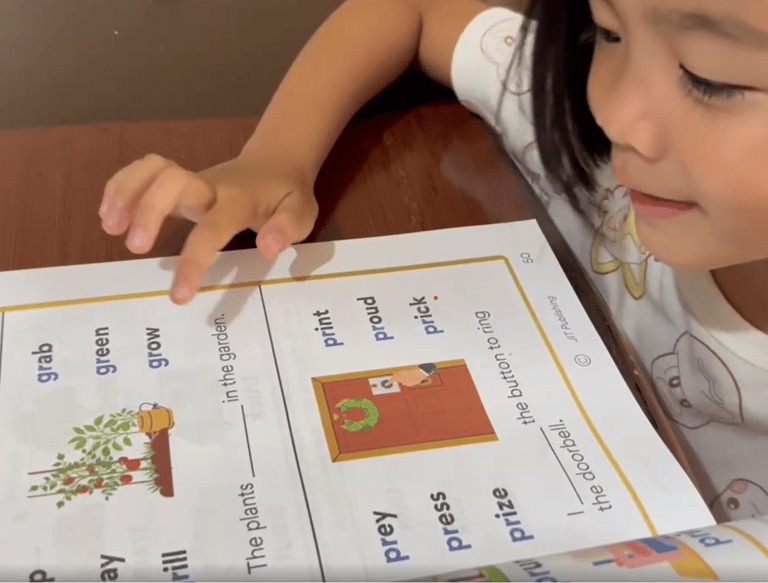
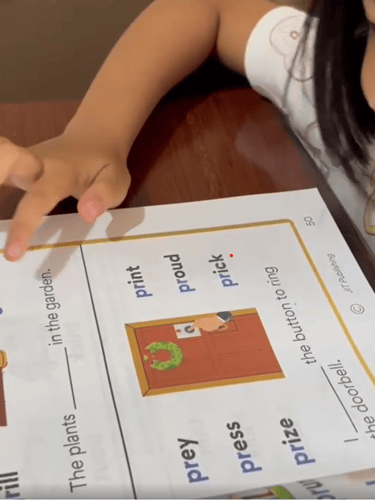
Phonics serves as a powerful tool to help children decode words.
First, by mastering the sounds associated with the individual letters
Then, blending the letter sounds to form sound blends
Finally, blending the letter sounds and sound blends to form words.
Phonics meets sensory play
Early reading isn't passive. Children acquire language by touching, pointing, and physically manipulating objects. Our classroom-tested materials ground abstract phonemic play in a tangible, multi-sensory learning experience that lasts.
Ages 3 to 6
We don't write down to children. We build physical tools that respect their curiosity and survive their classroom chaos.
The critical window for physical co-reading and tactile developmental milestones.
Every layout is tested to ensure it supports co-reading dynamics between educators and students, fostering active classroom dialogue and deep sensory engagement.


Refined in active chaos
Before any story goes to print, handmade prototypes enter real preschool classrooms. We watch where children touch, how they hold the pages, and when they lose focus. If a design cannot withstand fifteen four-year-olds, we rebuild it from scratch.
JIT Publishing
For orders or Inquiries
admin@jitpublishing.com
Classroom sample requests welcome
East Windsor, New Jersey
(C) 2026 JIT Publishing-Independent early-literacy publishing since 2026